
×

Book an Appointment


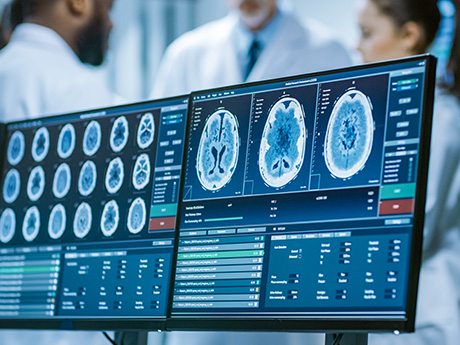
Understanding Brain Tumours

A brain tumor is a collection of abnormal cells in the brain tissue. Some tumors are benign (non-cancerous) and others are malignant (cancerous). We name tumors by their type of cells or where they tend to occur.

Parkinson’s Disease is a neurodegenerative disorder that is marked by tremors and is quite progressive in nature, i.e it tends to aggravate as time passes. Usually affecting people over 60, Parkinson’s can sometimes present in 20-30 year olds, but the probability of that is quite low.

malignant brain tumor

The broad classification of Parkinson’s is:

  • Idiopathic Parkinson’s – i.e cause unknown
  • Vascular Parkinson’s – with restricted blood supply to the brain
  • Drug-induced Parkinson’s – due to neuroleptic drugs

Primary

Originates in the brain itself i.e May develop from brain cells, nerves, et all. These can be:

Malignant:

  • Cancerous
  • Aggressive, fast-growing
  • May result in permanent disability or even death
  • Of these, the most common are ‘Gliomas’, which make up ~78% of all cases
  • Astrocytomas, ependymomas, glioblastoma multiforme, medulloblastomas and oligodendrogliomas are all types of these ‘gliomas’.

Benign:

  • Non-cancerous
  • Not as aggressive
  • Slow-growing
  • May compress normal brain cells and functions due to increased size
  • These include: chordomas, cranipharyngiomas, gangliocitomas, meningiomas, pituitary adenomas

Benign:

Aka Metastatic Brain Tumours – which spread to other parts of the body)

1 in 4 brain tumour patients are likely to have a metastatic brain tumour

Brain tumours may elicit non-specific symptoms and at times, none at all! Here’s what to keep an eye out for:

  • Frequent headaches
  • Seizure and tremors
  • Compromised motor functions
  • Personality changes
  • Partial or complete paralysis
  • Dizziness or fainting
  • Defects in vision and hearing
  • Nausea and vomiting
  • Swallowing difficulties
  • Speaking difficulties
  • Confusion
  • Loss of balance
Here’s what our

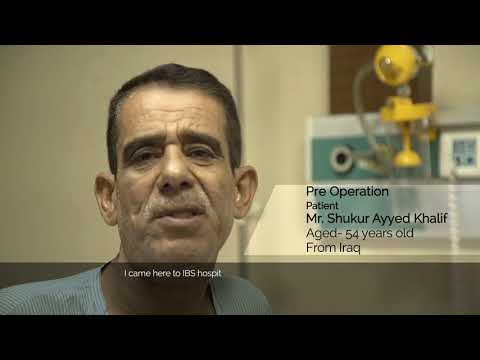
Patients have to say about us

These are the stories of our patients that never fail to inspire us:

Comprehensive Neurological Care

All in One Place. Focused on You.

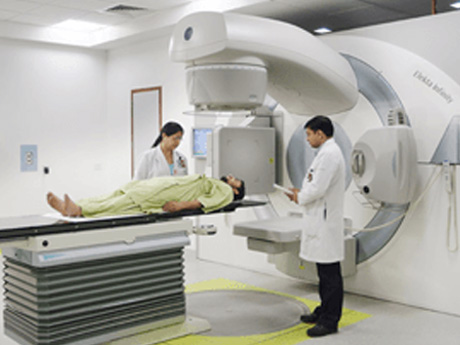
Our treatment modalities include:

Non-Surgical Radiotherapy:

5

Gamma Knife

A therapy module that uses ‘Treatment Planning Software’ in a precise computerised format to allow our neurosurgeons to isolate and irradiate minute targets in the brain.

6

Cyber Knife

A robotic arm, with high degrees of flexibility, is used to deliver extremely focused radiation beams to treat areas that aren’t accessible to other means of radiotherapy.

7

WBRT / Whole Brain Radio Therapy

A mainstay for brain tumour therapy, WBRT is a series of radiation delivered to the whole brain over a period of weeks.

Surgical Radiotherapy:

Brain tumours are usually treated surgically along with a combination of therapies, like radiotherapy, which may be given either before the treatment - to reduce the size of the mass, or after the treatment - to destroy any remaining cancerous cells.

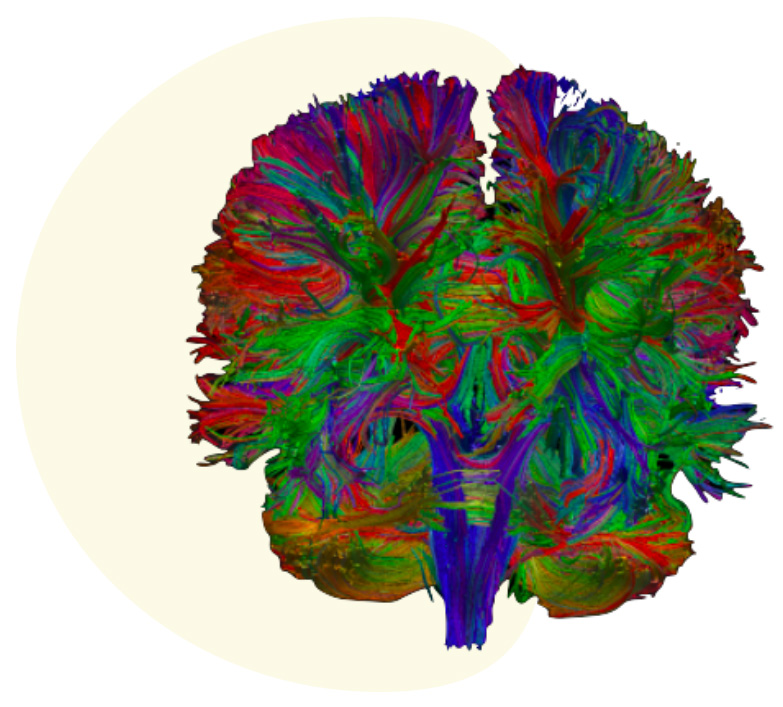
Awake Craniotomies + Personalised Brain Mapping

care

Our Technology

At IBS, we are committed to bringing the best technology from across the globe, for your care.
State of the art facilities offered here include:
neu navigation

Neuro Navigation

It is an advanced technology used for performing image-guided neuro interventions. The modality offers added precision and accuracy through real-time intraoperative guidance.

fluorescent microscope

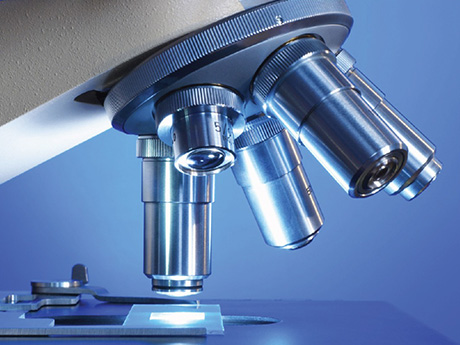
Fluorescent Microscope

It is a highly advanced imaging tool that helps alleviate various complexities and improve the procedure’s outcomes. It is an optical microscope that involves the use of fluorescence to generate ace images by overcoming the resolution barrier that is limited by diffraction in normal microscopes.

cusa (cavitron ultrasonic aspirator)

CUSA (Cavitron Ultrasonic Aspirator)

The surgical modality utilizes low-frequency ultrasound energy for extracting brain and spinal cord tumours, as well as to perform other complex procedures. The ultrasonic frequencies help to emulsify the diseased tissue while leaving intact the surrounding healthy tissue.

nerve monitoring

Nerve Monitoring

It is also known as electrophysiologic monitoring and is a surgical assessment tool that helps to evaluate the functional integrity of the brain and other related structures and alleviate the risks of any unintended damage to the same.

about ibs

Why choose IBS for spine disc treatment?

IBS Hospital is committed to offering the most advanced facilities for the diagnosis, treatment and management of patients suffering from spine discs. The hospital adheres to the use of state of the art interventions from across the globe, which are backed by the expertise of an immensely specialized team of spine specialists. Every treatment plan is curated after thorough assessment and evaluation, carried out using cutting-edge diagnostic and imaging modalities which are available at the hospital. The treatment is followed by comprehensive rehabilitative care to ensure swift and robust recovery of the patient.

Our team of experts that make it possible

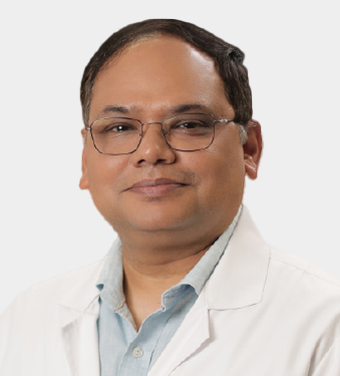
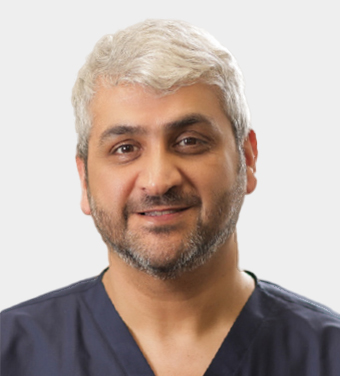
Meet the team of highly specialised and experienced neurosurgeons, neurologists and other experts in the field of neurology and spine care. Our team is dedicated to providing personalised and compassionate care to each patient, with the goal of helping them achieve the best possible outcomes.

dr. gupta

Dr. Vikas Gupta

Senior Neuorosurgeon

dr. diwakar

Dr. Dewaker Sharma

Senior Neuorosurgeon

dr. sachin

Dr. Sachin Kandhari

Senior Neuorosurgeon and MD

Get an Expert
Second Opinion